
The Difference Between Traditional Stucco and Synthetic (EIFS)
Understanding the difference between traditional stucco and synthetic (EIFS) helps homeowners choose the right finish, and local contractors can expertly install either to suit your needs.
If you’re exploring exterior finishing options for a property, understanding the difference between traditional stucco and synthetic (EIFS) can help inform your decision. Property owners in the area often consider these materials based on factors like durability, appearance, and maintenance needs. Traditional stucco has a long history of providing a textured, natural look, while synthetic EIFS offers a more versatile and lightweight alternative that can mimic various finishes. Knowing how each option performs in different conditions can make a significant difference when planning for a building’s exterior.
Local contractors who specialize in stucco installation can provide valuable insights into which material best suits your property’s needs. Whether you’re interested in the classic appeal of traditional stucco or the modern flexibility of synthetic EIFS, experienced service providers are available to help evaluate your options and ensure proper application. Keep reading to learn more about the key differences and how choosing the right material can enhance the longevity and appearance of your property’s exterior.
- Traditional stucco installation services are ideal for homeowners seeking a durable, classic exterior finish and are approached with methods that emphasize long-lasting craftsmanship. Synthetic (EIFS) stucco installation is suitable for those wanting a lightweight, energy-efficient exterior system, with local contractors focusing on proper insulation integration. When a property requires a weather-resistant exterior with minimal maintenance, local service providers can recommend the appropriate stucco type based on the building’s needs. For renovations or historic properties, traditional stucco offers a time-tested aesthetic, while synthetic stucco may be chosen for modern upgrades. Local pros tailor their approach to match the specific requirements of each project, ensuring proper application of either traditional or synthetic stucco.


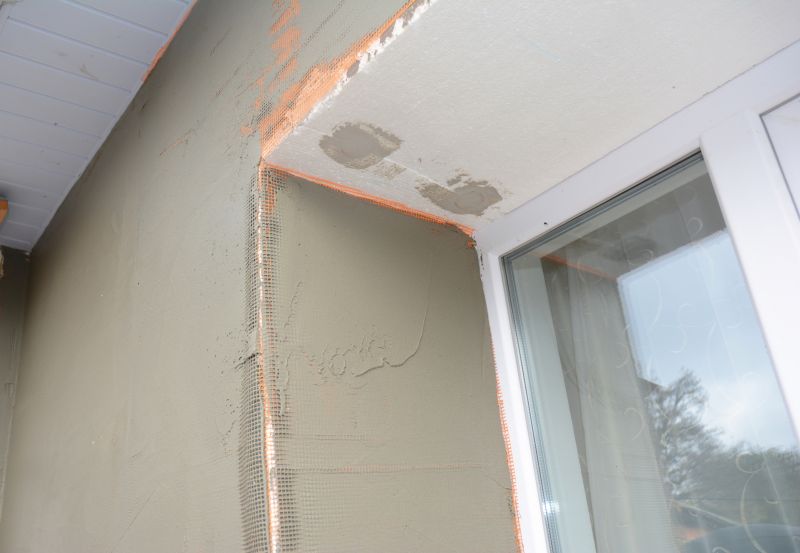
The difference between traditional stucco and synthetic (EIFS) is a common topic among homeowners planning exterior wall projects or considering upgrades to their property’s appearance and durability. When people search for this, they often want to understand which material is better suited for their specific needs, whether for a new construction or a renovation. This topic relates to problems like cracking, moisture infiltration, or the desire for a more energy-efficient exterior. Homeowners may also be exploring plans to improve curb appeal, increase insulation, or address existing damage, making it important to understand how each stucco type performs and what installation options are available through local contractors.
Traditional stucco is a cement-based material applied in multiple coats directly onto a prepared wall surface. It has been used for decades and is known for its durability and classic appearance. Synthetic (EIFS), on the other hand, is a more recent innovation that involves a layered system with insulation board, a base coat, and a finish coat that can mimic various textures and styles. When homeowners compare these options, they often consider factors like weather resistance, maintenance needs, and aesthetic flexibility. Properties that typically feature traditional stucco are often older or historic buildings, as well as new homes with a desire for a timeless exterior. Synthetic stucco is frequently seen on modern commercial and residential buildings, especially where energy efficiency and design versatility are priorities.
The choice between traditional stucco and synthetic (EIFS) also relates to the type of property involved. Single-family homes, multi-family complexes, and commercial properties all may present different requirements. For example, older houses with existing masonry or brick exteriors might benefit from traditional stucco for its compatibility and proven durability. Conversely, new construction or renovation projects aiming for enhanced insulation and a sleek, customizable look might lean toward synthetic stucco systems. Local service providers who specialize in stucco installation can assess the specific conditions of a property and recommend the best approach. They can handle the detailed work, whether it involves applying traditional stucco or installing synthetic systems, ensuring the finished exterior meets both aesthetic and functional expectations.
Understanding the difference between traditional stucco and synthetic (EIFS) helps homeowners make informed decisions about their exterior projects. It clarifies which material aligns with their property’s needs, budget, and long-term goals. By working with experienced local contractors, property owners can ensure proper installation and maintenance, ultimately enhancing the value and appearance of their property. Whether choosing the classic appeal of traditional stucco or the modern, insulated benefits of synthetic systems, connecting with qualified service providers is a key step toward achieving a durable and attractive exterior finish.
Exterior wall cladding projects - professionals experienced in stucco and EIFS installation can handle various types of exterior wall cladding, ensuring proper application and durability.
Architectural detailing and decorative finishes - skills in applying textured coatings and finishes are common between traditional stucco, synthetic stucco, and decorative wall treatments.
Insulation and weatherproofing services - installing exterior insulation systems, including EIFS, requires planning and techniques similar to traditional stucco for effective weather resistance.
Facade restoration and repair projects - repairing and restoring existing stucco or synthetic finishes involves similar assessment and repair skills applicable to both systems.
Building wrap and moisture barrier installation - understanding moisture management and proper attachment methods benefits projects involving both traditional and synthetic exterior finishes.
Structural wall reinforcement services - reinforcing exterior walls for stability and safety shares planning and application skills with stucco and EIFS installation projects.
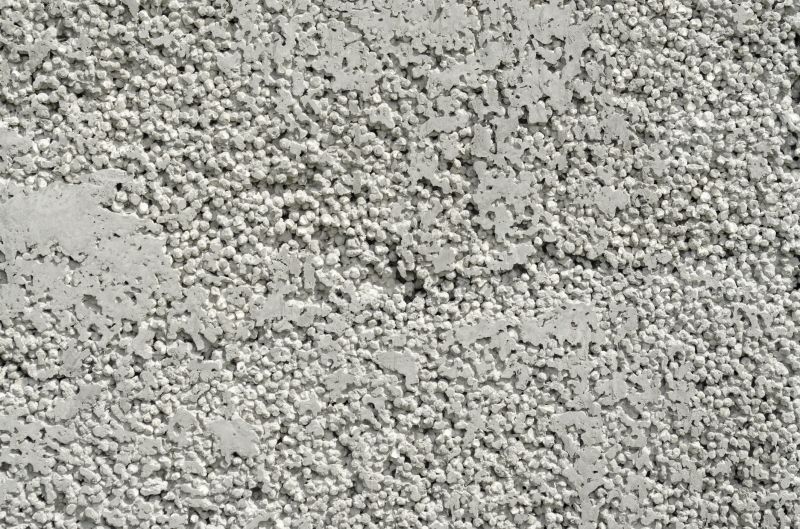
When comparing contractors for traditional or synthetic stucco installation, experience with similar projects is an essential factor to consider. Homeowners should inquire about the service providers’ background in handling different types of stucco systems, especially since the application processes and material requirements can vary significantly between traditional stucco and synthetic (EIFS). A contractor with a proven track record in projects comparable to the home’s size, style, and specific stucco type can offer insights into potential challenges and best practices, ensuring a smoother installation process and a more durable result.
Clear communication of expectations is vital when selecting a local contractor for stucco work. Homeowners should seek service providers who can articulate the scope of work, the materials to be used, and the maintenance considerations for both traditional and synthetic stucco systems. Understanding what is included in the project, as well as any limitations or warranties, helps set realistic expectations and minimizes misunderstandings. Well-explained plans and open dialogue also foster trust and ensure that the homeowner’s preferences and concerns are addressed throughout the process.
Reputable references and strong communication skills are key indicators of a reliable contractor. Homeowners are encouraged to ask for references from previous clients who had similar stucco projects completed, particularly those involving either traditional or synthetic systems. Listening to firsthand accounts about the contractor’s professionalism, responsiveness, and quality of work can provide valuable insights. Additionally, service providers who maintain clear, consistent communication-whether through timely updates or straightforward answers-are more likely to deliver a positive experience and a finished product that aligns with the homeowner’s expectations.
Get a Quote for Traditional Or Synthetic Stucco Installation
Property owners often search for the difference between traditional stucco and synthetic (EIFS) when they are planning practical projects around their homes and businesses. Local pros provide Traditional or Synthetic Stucco Installation services for everyday jobs and straightforward project options.
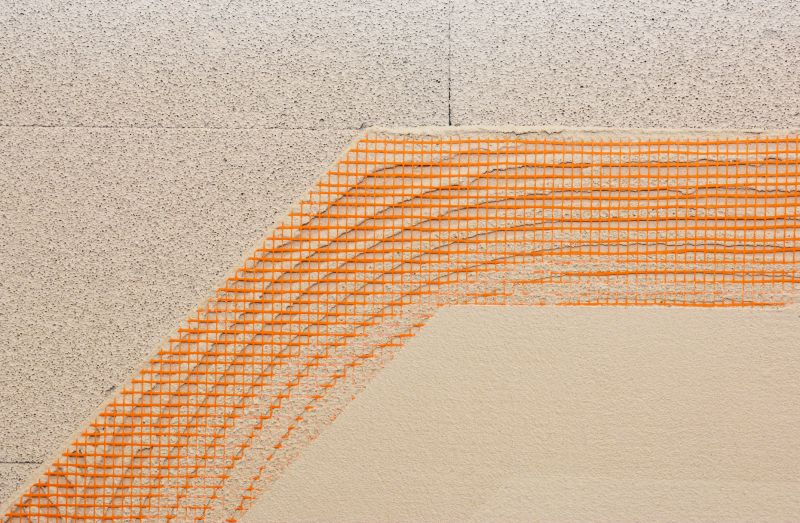
Understanding the difference between traditional stucco and synthetic (EIFS) can help property owners make informed decisions when considering exterior wall finishes. Traditional stucco is a cement-based material that is applied in multiple layers directly onto the exterior surface, offering a durable and classic look. It’s often chosen for its long-standing reputation and ability to withstand various weather conditions. Synthetic (EIFS), on the other hand, is a layered system that includes insulation boards covered with a lightweight, textured finish. This type of stucco can provide better insulation and a more versatile appearance, making it appealing for those looking to improve energy efficiency and aesthetic options.
For property owners exploring exterior wall options, understanding these differences can guide the selection of a suitable finish. Local contractors skilled in traditional stucco installation can deliver a time-tested, robust exterior, while those experienced with synthetic stucco might offer solutions that enhance insulation and design flexibility. Connecting with service providers who understand the nuances between these two types can ensure the right approach is taken to meet specific project needs and preferences.
Get a Quote for Traditional Or Synthetic Stucco Installation
What is the main difference between traditional stucco and synthetic (EIFS)? Traditional stucco is a cement-based material applied in multiple coats, providing a solid, textured finish. Synthetic (EIFS) uses a layered system with foam insulation and a thin, durable coating, offering a smoother appearance and better insulation properties. Local contractors can help determine which system suits specific building needs.
How do traditional stucco and synthetic (EIFS) compare in terms of durability? Traditional stucco is known for its durability and long-lasting finish when properly maintained. Synthetic (EIFS) can also be durable but may require more frequent inspections for cracks or damage, especially in areas with severe weather. Local service providers can advise on the best option based on environmental conditions.
Are there differences in installation processes between traditional stucco and synthetic (EIFS)? Yes, traditional stucco involves applying multiple cement coats directly onto a lath system, while synthetic (EIFS) involves installing foam insulation boards followed by a thin protective coating. Skilled local contractors can ensure proper installation for both systems to achieve optimal results.
Can traditional stucco and synthetic (EIFS) be used on the same building? While it's possible to use both systems on different parts of a building, they are typically installed separately due to their different materials and methods. Consulting with local pros can help determine the best approach for mixed finishes or renovations.
Which system offers better insulation: traditional stucco or synthetic (EIFS)? Synthetic (EIFS) generally provides superior insulation because of its foam core, helping improve energy efficiency. Traditional stucco offers some insulation but is primarily valued for its aesthetic and protective qualities. Local contractors can recommend the best system based on insulation needs.
Understanding material differences - Property owners can explore how traditional stucco and synthetic (EIFS) differ in appearance and durability when planning exterior updates with local contractors.
Choosing the right finish - Deciding between a textured traditional stucco or a sleek synthetic finish helps property owners match their aesthetic preferences and climate needs with professional installation.
Assessing insulation options - Synthetic (EIFS) often provides better insulation, so property owners interested in energy efficiency might consider local pros who specialize in this system.
Evaluating maintenance needs - Understanding the upkeep differences can guide property owners in selecting a stucco type that aligns with their maintenance preferences, with guidance from local service providers.
If you are thinking about the difference between traditional stucco and synthetic (EIFS) for a property, this guide is meant to help you understand this topic, the typical project types, and how different options might fit your plans.
When you are ready, you can use the quote form on this page to share a few details about your project. From there, local pros can review the basics and follow up with options that match what you have in mind.
Get a Quote for Traditional Or Synthetic Stucco Installation